





That Have Nothing to Do With Being Lazy
Most people assume low energy comes down to poor sleep, or not enough coffee. In reality, there are dozens of hidden factors that can quietly drain your mental and physical energy throughout the day.
Let us explain 11 surprisingly common culprits for your lack of energy and what to do about them.
1. Decision Load
Every decision you make consumes mental resources. From choosing what to wear to constantly switching tasks, decision fatigue accumulates throughout the day and can leave you feeling mentally exhausted long before bedtime.
The prefrontal cortex, the brain's executive control centre, governs every deliberate choice. It runs on glucose and neurotransmitter availability, both of which deplete with every use. As those resources thin, the brain doesn't slow down which can then default in impulsive choices, avoidance, or no decision at all.
The volume of our decisions has also changed; it’s estimated that the average adult now makes around 35,000 decisions per day, a figure that would have been unrecognisable to previous generations.
WHAT TO DO: Simplify recurring decisions. Meal prep to have things ready for the week, create morning routines that become rituals, and batch similar tasks together where possible.
RESEARCH: Decision fatigue is a recognised psychological phenomenon associated with reduced cognitive performance and self-regulation. (1)
2. Poor Air Quality & High Indoor CO₂
Many people spend 90% of their day indoors without realising that stale air and elevated carbon dioxide levels can impair concentration, increase sleepiness, and reduce cognitive performance.
WHAT TO DO: Open windows for 15–30 minutes at least twice daily, especially in bedrooms and offices. Take a walk after lunch, your blood sugar will thank you too. Consider a CO₂ monitor if you work indoors.
RESEARCH: Higher indoor CO₂ levels have been linked with poorer cognitive function and decision-making performance. (2)
3. Skipping Daylight in the First Hour of the Day
Coffee might trick you into feeling more awake, but it doesn't set your body clock. Morning daylight does. Light first thing in the morning is one of the strongest signals for regulating your circadian rhythm (body's natural clock), alertness, and energy levels throughout the day.
WHAT TO DO: Within the first hour of waking, get outside and expose your face to natural daylight for 10–20 minutes, even if it's cloudy.
RESEARCH: Morning light exposure improves circadian alignment, sleep quality, and daytime alertness. (3)
4. Saving All Your Protein Until Dinner
Many people eat very little protein at breakfast and lunch, then consume most of it in the evening. Research suggests a more even distribution may better support muscle protein synthesis, recovery, and energy levels.
Skeletal muscle is more insulin-sensitive in the morning and early afternoon. By evening, rising melatonin and declining metabolic activity blunt the response. When you eat your protein matters almost as much as how much you eat.
WHAT TO DO: Aim for 25-40g of protein (depending on your weight/targets) at each main meal rather than relying on a large evening portion.
RESEARCH: Even protein distribution across meals improves 24-hour muscle protein synthesis. (4)
5. Mouth Breathing Instead of Nasal Breathing
Your nose has more than one job of smelling and it isn't just there for decoration. Nasal breathing filters, warms, and humidifies air while also increasing nitric oxide production, which supports oxygen delivery throughout the body.
WHAT TO DO: Notice how you breathe during the day. If you're a habitual mouth breather, investigate potential causes such as allergies, congestion, or poor breathing habits. Mouth taping has become a popular sleep intervention, not as a gimmick, but to train the body back toward nasal breathing, which is how we're designed to breathe.
RESEARCH: Nasal breathing has been shown to influence physiological responses and exercise performance. (5)
6. Constantly Holding Muscular Tension
Many people unconsciously spend hours with clenched jaws, raised shoulders, tight necks, or contracted abdominal muscles, without realising they’re doing it. Maintaining unnecessary muscle tension costs energy and can contribute to fatigue and headaches.
This is chronic low-grade muscle activation, and it has a metabolic cost. Sustained tension draws on ATP (energy) continuously, keeps the nervous system in mild sympathetic arousal, and edges cortisol upward. Over a full day, the cumulative effect is significant, the body is spending energy and signalling threat where there is none.
The jaw is a particular indicator. Habitual clenching activates the trigeminal nerve in ways that can sustain headaches, disrupt sleep architecture, and amplify pain perception elsewhere in the body. Most people have no idea they're doing it.
WHAT TO DO: Set reminders to scan for tension every few hours. Relax your jaw, drop your shoulders, and take a few slow breaths. Regular, monthly massage can also support in breaking knots, tension and build up in specific areas also.
Additionally, supporting muscle relaxation with Magnesium regulates muscle relaxation after contraction and supports the nervous system's ability to downregulate after exertion, the recovery process that makes the next effort possible. Without adequate magnesium, muscles stay tighter for longer and the nervous system remains in a state of low-grade activation.
RESEARCH: Maintaining muscle contraction requires continuous ATP (energy) expenditure. Chronic low-level muscle activation can contribute to feelings of fatigue, discomfort, headaches, and increased perceived effort. (6)
7. Drinking Plenty of Water but Not Replacing Minerals
Hydration isn't just about water. Electrolytes such as sodium, potassium, and magnesium help regulate fluid balance, nerve signalling, and muscle function. Drinking large amounts of plain water without replacing minerals can sometimes leave people feeling sluggish, as they’re not hydrating on a cellular level.
WHAT TO DO: If you exercise heavily, sweat a lot, or drink large volumes of water, ensure you're getting adequate electrolytes from food or appropriate supplementation.
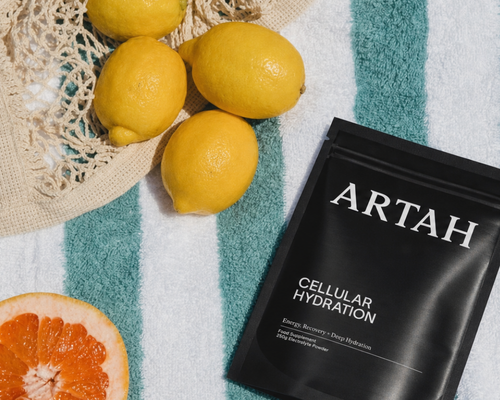
TRY: Cellular Hydration a low sodium, daily electrolyte powder formulated to support energy levels, focus, performance and cellular hydration. l(7)
8. Poor Cardiovascular Fitness
Climbing stairs, carrying shopping, playing with your kids, these shouldn't leave you breathless. But when your aerobic capacity is limited, everyday tasks consume a disproportionate share of your available energy. There's simply less reserve to draw from
WHAT TO DO: Include 12 short high-intensity interval sessions per week. Even brief sprint intervals can significantly improve aerobic fitness and will ensure an endorphin rush to go with also. The introduction of Creatine supplementation supports faster recovery between efforts, meaning you can train harder whilst still adapting quickly.
RESEARCH: When cardiovascular fitness is low, everyday tasks require a greater percentage of your available capacity, making life feel harder than it needs to. Fitter individuals consistently report lower perceived effort at the same workload. (8)
9. Going to Bed Too Late (Even If You Get 8 Hours)
Sleep timing matters. Going to bed at 1am and waking at 9am isn't always equivalent to sleeping from 10pm to 6am. Your body's biological clock influences hormone release, recovery, and next-day alertness and every hour supports a different part of the body. For example, between the hours of 1-3am our body is supporting and rebuilding our liver which we don’t want to interrupt with inadequate sleep.
WHAT TO DO: Prioritise a consistent bedtime and aim to sleep during your natural circadian window whenever possible.
RESEARCH: Eight hours isn't the whole story. Your body clock strongly influences alertness, hormone release, and recovery, meaning a later sleep schedule may leave you feeling less energised despite getting enough sleep. (9)
10. Eating Too Little During the Day
Undereating is a surprisingly common cause of low energy, especially among busy professionals and those trying to lose weight. If energy intake is too low, your body adapts by reducing activity, recovery, and performance.
WHAT TO DO: Ensure you're consuming enough calories, particularly from protein, fruit, vegetables, and minimally processed carbohydrates to stabilise your blood sugar. Adding in ingredients such as cinnamon, fenugreek, green tea also support in regulating blood sugar and stabilising appetite throughout the day. It’s the reason we included them in Core Metabolic+.
RESEARCH: Many people assume tiredness means they need more caffeine, when in reality they're simply under-fuelled. Inadequate energy intake can impair recovery, hormone production, and overall physiological function (7)
11. Social Isolation
Humans are biologically wired for connection. Loneliness and social isolation are associated with increased stress, poorer sleep, lower motivation, and reduced overall wellbeing.
WHAT TO DO: Make time for in person, regular face-to-face interactions, exercise with friends, join a club, or simply make time for meaningful conversations.
RESEARCH: Social connection is consistently associated with better health outcomes, wellbeing, and resilience, while loneliness predicts poorer physical and mental health. (8)
The Bottom Line
Low energy isn't always a sleep problem. Sometimes it's the accumulation of small, hidden stressors - stale air, poor breathing habits, too many decisions, low fitness, inadequate nutrition, or lack of human connection.
Fixing even one or two of these factors can create a noticeable improvement in how you feel, think, and perform each day.
Disclaimer: The information presented in this article is for educational purposes only and is not intended to diagnose, prevent, or treat any medical or psychological conditions. The information is not intended as medical advice, nor should it replace the advice from a doctor or qualified healthcare professional. Please do not stop, adjust, or modify your dose of any prescribed medications without the direct supervision of your healthcare practitioner.
References
-
Du B, Tandoc MC, Mack ML, Siegel JA. Indoor CO2 concentrations and cognitive function: A critical review. Indoor Air. 2020 Nov;30(6):1067-1082. doi: 10.1111/ina.12706. Epub 2020 Jul 6. PMID: 32557862.
-
Schubert, A., Laurentius, T., Lange, S. et al. Effects of a daylight intervention in the morning on circadian rhythms and sleep in geriatric patients: a randomized crossover trial. Eur Geriatr Med 16, 281–292 (2025). https://doi.org/10.1007/s41999-024-01100-z
-
Mamerow MM, Mettler JA, English KL, Casperson SL, Arentson-Lantz E, Sheffield-Moore M, Layman DK, Paddon-Jones D. Dietary protein distribution positively influences 24-h muscle protein synthesis in healthy adults. J Nutr. 2014 Jun;144(6):876-80. doi: 10.3945/jn.113.185280. Epub 2014 Jan 29. PMID: 24477298; PMCID: PMC4018950.
-
Lörinczi, F., Vanderka, M., Lörincziová, D. et al. Nose vs. mouth breathing– acute effect of different breathing regimens on muscular endurance. BMC Sports Sci Med Rehabil 16, 42 (2024). https://doi.org/10.1186/s13102-024-00840-6
-
Areta, J.L., Taylor, H.L. & Koehler, K. Low energy availability: history, definition and evidence of its endocrine, metabolic and physiological effects in prospective studies in females and males. Eur J Appl Physiol 121, 1–21 (2021). https://doi.org/10.1007/s00421-020-04516-0
-
Travlos AK, Marisi DQ. Perceived exertion during physical exercise among individuals high and low in fitness. Percept Mot Skills. 1996 Apr;82(2):419-24. doi: 10.2466/pms.1996.82.2.419. PMID: 8724910.
-
Folkard S, Hume KI, Minors DS, Waterhouse JM, Watson FL. Independence of the circadian rhythm in alertness from the sleep/wake cycle. Nature. 1985 Feb 21-27;313(6004):678-9. doi: 10.1038/313678a0. PMID: 3974700.
-
Humans are biologically wired for connection. Social isolation is associated with lower activity levels, poorer health outcomes, and a significantly higher risk of premature mortality.


