Understanding Water Retention + How to Optimally Hydrate
Fitness + Recovery
Understanding Water Retention + How to Optimally Hydrate
Olivia del Balzo 22.05.2026

Lighter mornings, warmer weather, refreshing foods and being outside - the summer months are associated with feeling lighter, brighter and healthier.

However, for some of us, the summer months can come with the unwanted side effect of puffiness and bloating - just when you don’t want it. Water retention is a common problem, and whilst the summer months can often be a trigger due to warmer temperatures, it can rear its head at any time of year.  Read on to understand some of the signs, symptoms and solutions to help you tackle water retention this summer and all year long. 

HOW TO KNOW IF IT’S WATER RETENTION? 

Water retention and bloating are two different things. Bloating can be described as pain, pressure or discomfort in your stomach and abdomen. This is different from water retention, which is more of a puffy, swollen feeling around the abdomen AND other parts of the body. Face, eyelids, hands, ankles and feet are common places we tend to hold on to water.  The most common symptoms include: 

— Puffy, swollen look, particularly around the abdomen 
— Swollen legs, ankles and feet 
— Rings and jewellery feeling tighter than usual 
— Daily weight fluctuations 
— A puffy feeling in the face and eyelids  
— Stiff joints 
— Indentations in the skin 

Whilst a little water retention is perfectly normal, if you experience ongoing swelling and puffiness in the legs accompanied by chest pain, difficulty breathing and changes in urination are signs you should seek advice from your doctor.


COMMON CAUSES OF WATER RETENTION
 

Some of the most common causes of water retention include: 

Flying.
The extreme changes in cabin pressure along with sitting for long periods of time can cause the body to hold onto water. Consider compression socks - not the sexiest look, but your legs will thank you for it after. 

Standing or sitting for long periods.
Sitting or standing for long periods of time can cause the tissue to hold water and potentially lead to swelling and pain. It is important to keep your blood pumping and circulation flowing by standing up and walking around regularly. Gravity naturally keeps blood in your lower extremities, so if you have a sedentary job, make sure to stand and walk around often to keep things moving.  If you can manage it, try getting your feet above your head for at least 10 minutes a day, especially after a long day on your feet.  

Menstrual cycle.
Fluctuating sex hormones can lead to increased water retention. This retention can happen at the time of menstruation or show up to two weeks before your cycle is due, thanks to oestrogen and progesterone fluctuations around the time of ovulation, which can impact how much water the body retains.  


High salt diet.
Consuming high sodium foods through table salt or processed foods can result in water retention. When we have too much sodium or salt, our body holds onto excess water to help support a balanced sodium-to-water ratio. And its not only salty crisps or some fries that trigger your bloat, healthy convenience foods such as ready-made soups, bone broths and plant-based ready meals may cause water retention too. Salt can lead to the body holding onto water to maintain a balance within our cells. So do you need to ditch the salt? Not at all – using sea salt and Himalayan salt with natural, whole foods can help you meet your electrolyte requirements, it’s processed foods and food products you need to be more weary of. 

Alcohol.
We all know it, but alcohol is one of the prime suspects when it comes to water retention because of its effects on electrolytes, metabolism and hormones. If you wake up puffier than you’d like, aim to include hydrating foods and avoid the temptation to indulge in unhealthier comfort meals. We use Deep Detox + Cellular Hydration as a power duo to help combat next-day puffiness (and fatigue). Including foods that replenish glutathione will also help the body process alcohol – think avocado, asparagus, eggs, papaya, and sulphur rich foods like cruciferous veggies.  

SHOP THE SUPPLEMENTS


WHAT CAN WE DO TO REDUCE WATER RETENTION? 

Lymphatic drainage.
A lymphatic drainage massage can help to relieve swelling by applying gentle pressure on areas of the body to help remove waste and toxins, and flush them out of the body.  Use a sculpting body gua sha for best results.

Increase your potassium levels.
Potassium intake can help to reduce water retention, by increasing urine production and lowering sodium levels in the body. Eating a potassium-rich diet and staying fully hydrated can help to maintain a good fluid balance. Think bananas, lentils, broccoli and avocado.   

Avoid highly salty foods.
When we consume salty foods, the body retains extra sodium which increases the amount of fluid in the body. Cook from scratch when possible and avoid adding salt during the cooking process. Allow the sauce to simmer first. Taste the food after the dish finishes cooking, and then add extra salt if necessary. The saltiness of food can change as it cooks. Use black pepper first, and aim to use natural herbs and spices to flavour food. 

Try a magnesium salt bath.
Soaking in a warm bath with added magnesium salts can help to ease bloating caused by water retention.  Aim to soak for 20 minutes, three times per week.  

Try inversions. 
Holding your legs up against a wall for a minimum of 5 minutes every evening can reduce gravitational pressure and improve circulation. Keeping your legs elevated can also help to reduce swelling and fluid buildup, as it stimulates lymphatic drainage.

Consume hydrating foods.
These can help to keep hydration levels up and provide us with a whole variety of nutrients. Think cucumber, watermelon, berries, oranges, coconut water, broths and soups.  

Get serious about electrolytes.
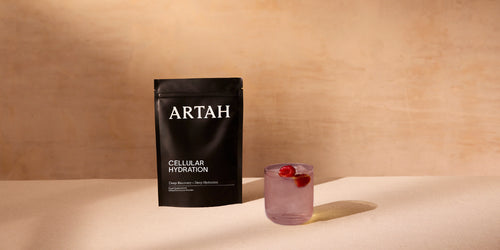
If you are drinking enough water day and still retaining water, you're likely lacking the minerals required for hydration at a cellular level. Our body needs electrolytes to stay hydrated, so even if you’re drinking a lot of water, you may not be replenishing your electrolytes – especially potassium and magnesium. We use Cellular Hydration to restore electrolytes and combat water retention, fatigue and bloating.  


This article is for educational purposes only and the implementation of the theories and practices discussed is at the sole discretion of the individual. All advice given is not a substitute for medical advice, diagnosis, or treatment. If you have any concerns about your health, you should speak with your physician. 

Lighter mornings, warmer weather, refreshing foods and being outside - the summer months are associated with feeling lighter, brighter and healthier.

However, for some of us, the summer months can come with the unwanted side effect of puffiness and bloating - just when you don’t want it. Water retention is a common problem, and whilst the summer months can often be a trigger due to warmer temperatures, it can rear its head at any time of year.  Read on to understand some of the signs, symptoms and solutions to help you tackle water retention this summer and all year long. 

HOW TO KNOW IF IT’S WATER RETENTION? 

Water retention and bloating are two different things. Bloating can be described as pain, pressure or discomfort in your stomach and abdomen. This is different from water retention, which is more of a puffy, swollen feeling around the abdomen AND other parts of the body. Face, eyelids, hands, ankles and feet are common places we tend to hold on to water.  The most common symptoms include: 

— Puffy, swollen look, particularly around the abdomen 
— Swollen legs, ankles and feet 
— Rings and jewellery feeling tighter than usual 
— Daily weight fluctuations 
— A puffy feeling in the face and eyelids  
— Stiff joints 
— Indentations in the skin 

Whilst a little water retention is perfectly normal, if you experience ongoing swelling and puffiness in the legs accompanied by chest pain, difficulty breathing and changes in urination are signs you should seek advice from your doctor.


COMMON CAUSES OF WATER RETENTION
 

Some of the most common causes of water retention include: 

Flying.
The extreme changes in cabin pressure along with sitting for long periods of time can cause the body to hold onto water. Consider compression socks - not the sexiest look, but your legs will thank you for it after. 

Standing or sitting for long periods.
Sitting or standing for long periods of time can cause the tissue to hold water and potentially lead to swelling and pain. It is important to keep your blood pumping and circulation flowing by standing up and walking around regularly. Gravity naturally keeps blood in your lower extremities, so if you have a sedentary job, make sure to stand and walk around often to keep things moving.  If you can manage it, try getting your feet above your head for at least 10 minutes a day, especially after a long day on your feet.  

Menstrual cycle.
Fluctuating sex hormones can lead to increased water retention. This retention can happen at the time of menstruation or show up to two weeks before your cycle is due, thanks to oestrogen and progesterone fluctuations around the time of ovulation, which can impact how much water the body retains.  


High salt diet.
Consuming high sodium foods through table salt or processed foods can result in water retention. When we have too much sodium or salt, our body holds onto excess water to help support a balanced sodium-to-water ratio. And its not only salty crisps or some fries that trigger your bloat, healthy convenience foods such as ready-made soups, bone broths and plant-based ready meals may cause water retention too. Salt can lead to the body holding onto water to maintain a balance within our cells. So do you need to ditch the salt? Not at all – using sea salt and Himalayan salt with natural, whole foods can help you meet your electrolyte requirements, it’s processed foods and food products you need to be more weary of. 

Alcohol.
We all know it, but alcohol is one of the prime suspects when it comes to water retention because of its effects on electrolytes, metabolism and hormones. If you wake up puffier than you’d like, aim to include hydrating foods and avoid the temptation to indulge in unhealthier comfort meals. We use Deep Detox + Cellular Hydration as a power duo to help combat next-day puffiness (and fatigue). Including foods that replenish glutathione will also help the body process alcohol – think avocado, asparagus, eggs, papaya, and sulphur rich foods like cruciferous veggies.  

SHOP THE SUPPLEMENTS


WHAT CAN WE DO TO REDUCE WATER RETENTION? 

Lymphatic drainage.
A lymphatic drainage massage can help to relieve swelling by applying gentle pressure on areas of the body to help remove waste and toxins, and flush them out of the body.  Use a sculpting body gua sha for best results.

Increase your potassium levels.
Potassium intake can help to reduce water retention, by increasing urine production and lowering sodium levels in the body. Eating a potassium-rich diet and staying fully hydrated can help to maintain a good fluid balance. Think bananas, lentils, broccoli and avocado.   

Avoid highly salty foods.
When we consume salty foods, the body retains extra sodium which increases the amount of fluid in the body. Cook from scratch when possible and avoid adding salt during the cooking process. Allow the sauce to simmer first. Taste the food after the dish finishes cooking, and then add extra salt if necessary. The saltiness of food can change as it cooks. Use black pepper first, and aim to use natural herbs and spices to flavour food. 

Try a magnesium salt bath.
Soaking in a warm bath with added magnesium salts can help to ease bloating caused by water retention.  Aim to soak for 20 minutes, three times per week.  

Try inversions. 
Holding your legs up against a wall for a minimum of 5 minutes every evening can reduce gravitational pressure and improve circulation. Keeping your legs elevated can also help to reduce swelling and fluid buildup, as it stimulates lymphatic drainage.

Consume hydrating foods.
These can help to keep hydration levels up and provide us with a whole variety of nutrients. Think cucumber, watermelon, berries, oranges, coconut water, broths and soups.  

Get serious about electrolytes.
If you are drinking enough water day and still retaining water, you're likely lacking the minerals required for hydration at a cellular level. Our body needs electrolytes to stay hydrated, so even if you’re drinking a lot of water, you may not be replenishing your electrolytes – especially potassium and magnesium. We use Cellular Hydration to restore electrolytes and combat water retention, fatigue and bloating.  


This article is for educational purposes only and the implementation of the theories and practices discussed is at the sole discretion of the individual. All advice given is not a substitute for medical advice, diagnosis, or treatment. If you have any concerns about your health, you should speak with your physician. 

FEATURED IN THIS ARTICLE

Cellular Hydration
From £32.00

daily electrolyte. clinically shown to increase energy in 4 weeks.

A low-sodium, sugar-free daily electrolyte. This is modern hydration for everyday life, with targeted minerals to replenish what your day depletes — without being overly…

Benefits

85% reported more energy in 4 weeks
Low-sodium, built for daily use
Natural lemon flavour, no artificial sweeteners or sugar
Sharper focus, less brain fog
Sustained energy, no crash
Reduces tiredness + fatigue
Shop now
Cellular Hydration
Cellular Hydration
Cellular Hydration
Cellular Hydration