
Electrolytes for Women: 5 Mistakes To Avoid
Energy
Fitness + Recovery
Women's Health
Electrolytes for Women: 5 Mistakes To Avoid
Rhiannon Stephenson 05.06.2026

Electrolytes have had a serious rebrand. What used to live in the sports nutrition aisle now sits on kitchen counters, in gym bags, and across the feeds of women who train regularly and take their health seriously.  

Whilst most of the women we see in clinic are interested in improving hydration, there are common mistakes that can backfire – think more fatigue, bloating, water retention, poor recovery, an always on nervous system and more. Here’s what you need to know 

1. Treating water intake as the whole hydration picture 

We tend to have a lot of faith in a glass of water. Drink more, the thinking goes, and everything else falls into line. For someone sedentary, well fed and largely unbothered by stress, that often works. For the woman who trains, works, and is juggling stress, sleep, and hormones, it’s not the full picture. 

Proper hydration depends on mineral balance, not just water volume, and dietary data shows that the balance depends on is already skewed. Sodium sits at or above the recommended mark for most people, while potassium and magnesium consistently fall short in women across all age groups.(1) So the deficit is almost never sodium, but instead, is potassium and magnesium, against a sodium intake that is already doing plenty. 

Pour plain water onto that and the gap only opens wider. This is why many women may complain of feeling dehydrated (and peeing too much) despite drinking a lot of water. Headaches, the familiar afternoon flatline, brain fog, cravings – you name it. The answer is seldom more salt, which is what most electrolytes are powered by. Which brings us only our next point. 


2. Buying electrolytes formulated for someone else's sweat rate 

High-sodium electrolyte products are designed for endurance athletes and heavy sweaters (the ring your t shirt out kind of daily sweat), when most of us are already getting well over the recommended sodium intake from food. 

UK women average 7.6g of salt a day against a 6g maximum recommended intake, and that figure has not meaningfully shifted in nearly a decade (NDNS Sodium Survey, 2018–19). A 45-minute strength session or a Pilates class produces little to modest sodium losses, so  adding a scoop of 1000mg-plus electrolyte mix on top of that is not replacing what you lost. It is adding several times more sodium than the session took out, on top of a daily intake that is already too high.  

Sodium needs scale with sweat rate, sweat sodium concentration, and session intensity. A 90kg male cyclist doing three hours in the heat needs aggressive replacement. A 65kg woman doing an hour of mixed training in an air-conditioned gym does not, and yet the product in her bottle is often the same one he uses. The wellness aisle has imported sports nutrition formulations wholesale without adjusting for who is actually buying them. 

The corrective is not to avoid electrolytes. It is to match the formulation to the daily demand. For most active women, most of the time, that means a lower sodium load with magnesium and potassium doing more of the work. 

3. Assuming food alone covers magnesium 

Magnesium is the mineral active women are most likely to be short of, and the one most often dismissed with a vague reference to leafy greens and nuts.  

But magesium is incredibly important, and the NDNS revealed that women across all age groups aren’t getting enough. Magnesium sits inside the reaction that produces ATP, the body's energy currency. It regulates muscle contraction and relaxation, modulates the HPA axis and the stress response, and plays a role in sleep architecture and GABA signalling. Exercise and chronic stress increase requirements across all of these systems at once. 

Whilst magnesium rich foods aren’t hard to come by, modern practicalities make things more nuanced. Soil contains less magnesium than they used to, processing strips more out, and the foods that carry meaningful amounts (pumpkin seeds, almonds, dark chocolate, oily fish) tend to appear in smaller quantities than the numbers on a nutrition database suggest. The result is that a woman eating a perfectly reasonable diet often sits below the daily recommendation, before you even account for an increased requirement from modern stressors.  

The low-mag pattern is recognisable. Poor sleep quality, muscle twitches or cramps, worsening PMS, lower stress tolerance, and running on a slightly shorter battery than usual. None of these are diagnostic on their own, but together, they point clearly at one of the most common modern deficiencies. 

4. Ignoring potassium  

Sodium dominates the conversation, magnesium dominates the supplement shelf, and potassium gets reduced to 'eat a banana.' But potassium is far more important than you may realise – and like magnesium, most of us aren’t getting enough.  

The sodium-potassium pump is one of the most ATP-hungry processes in the body and is responsible for maintaining the electrical gradient across every cell membrane. Every nerve impulse, every muscle contraction, and every cognitive task you perform depends on that gradient being intact. Potassium is not a background mineral but rather a part of the infrastructure your nervous system runs on – and is another mineral that we aren’t meeting from food alone.  

Low potassium status contributes to the kind of mental fatigue that hits mid-afternoon and does not respond to coffee. It shows up as a slower processing speed under stress, a heavier feeling in the limbs during sessions that should feel manageable, and a nervous system that struggles to settle in the evening.  

The UK recommendation for potassium is 3500mg per day, and the NDNS showed that women aren’t meeting this number reliably from diet, and that roughly one in four UK women fall below the lower reference nutrient intake for potassium, the threshold below which a deficiency is almost certain rather than merely probable.. The foods that carry potassium in useful amounts (potatoes with skin, beans, lentils, bananas, leafy greens, avocado, salmon) need to be eaten daily to meet demands under activity and stress, and a high sodium intake compounds the problem by increasing potassium excretion. 

For active women, the practical consequence is broader than recovery. It is the difference between a nervous system that handles training, work, and the rest of life with capacity to spare, and one that is running close to the edge.  This isn't a reason to give up on the banana. It just can't carry the whole team on its own. 

5. Timing 

The final mistake is one of context. Most women think about electrolytes only during or immediately after exercise, which is the narrowest possible window of use. 

Two other moments matter more for most people. The first is the morning, particularly before training. Overnight, the body loses fluid and minerals through respiration and perspiration, and cortisol rises naturally on waking. Starting a session already depleted means performance and recovery are compromised from the first rep. A glass of water with electrolytes before training, rather than after, often makes a more noticeable difference. 

The second is mid-afternoon. Specifically, the slump that hits between two and four, which  often gets treated with coffee or sweets, when it can just as easily be supported with minerals and hydration. A morning that started with coffee, ran on too little food, and skipped electrolytes entirely sets up exactly the kind of dip that another coffee won't fix. Timing some of your mineral intake to land before that window, rather than chasing it afterwards, tends to work with the slump rather than against it. 

The broader principle is that the right electrolyte is not a solely a workout product. Active women who treat hydration and mineral balance as a steady practice tend to feel the difference within a fortnight. The ones who reach for a scoop only when they remember after a hard session rarely do. 

Where to go from here 

Electrolyte balance is about knowing what your physiology actually needs and matching the inputs to the demand. For most active women (not ultra-marathoners), that means less sodium than the marketing suggests, more magnesium and potassium than the food alone is providing, and a sense of timing that treats minerals as a daily input rather than an emergency intervention. 

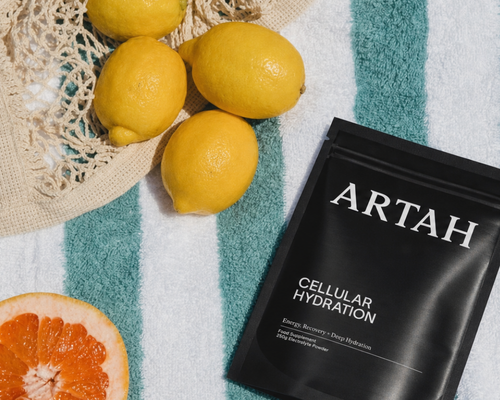
This is the brief we built Cellular Hydration against. The sodium sits at a low, synergistic dose, low enough to respect the intake women are already getting from food. Magnesium and potassium are the stars, and Calcium and vitamin C support digestion, reduce fatigue, and support the nervous system. Malic acid is not a filler – it's a key natural comound that supports the energy production pathway directly, working with magnesium inside the cellular processes that turn food into ATP. Maca is in the formula because the women using this product are not training in a vacuum, they are training through cycles, perimenopause, stress, and the rest of life, and maca has a long history of use in that context. Finally, prebiotic fibre is included because mineral absorption depends on the gut environment those minerals arrive in. 

This is the formulation I wanted to exist and couldn't find, and we backed it up with an independent clinical study. After 4 weeks of use, the numbers spoke for themselves: 85% reported more energy, 83% better mood, 77% less irritability, 75% more productivity, 72% better exercise performance, 70% less brain fog, and 67% less cravings. If the five mistakes here have landed, Cellular Hydration is built around the correction. 

Cellular Hydration, at a glance

Designed for: Active women who train regularly, work hard, and want hydration that matches their physiology rather than someone else's. 

What makes it different: Low synergistic sodium dose, clinically meaningful magnesium and potassium, calcium and vitamin C, malic acid for cellular energy, maca, prebiotic fibre. No artificial flavours or sweeteners that cause bloating. Just a clean, natural citrus finish.  

What to expect: A daily mineral input that supports energy, recovery, nervous system function, and the quality of training and rest. Not a workout-only product. 


Electrolytes have had a serious rebrand. What used to live in the sports nutrition aisle now sits on kitchen counters, in gym bags, and across the feeds of women who train regularly and take their health seriously.  

Whilst most of the women we see in clinic are interested in improving hydration, there are common mistakes that can backfire – think more fatigue, bloating, water retention, poor recovery, an always on nervous system and more. Here’s what you need to know 

1. Treating water intake as the whole hydration picture 

We tend to have a lot of faith in a glass of water. Drink more, the thinking goes, and everything else falls into line. For someone sedentary, well fed and largely unbothered by stress, that often works. For the woman who trains, works, and is juggling stress, sleep, and hormones, it’s not the full picture. 

Proper hydration depends on mineral balance, not just water volume, and dietary data shows that the balance depends on is already skewed. Sodium sits at or above the recommended mark for most people, while potassium and magnesium consistently fall short in women across all age groups.(1) So the deficit is almost never sodium, but instead, is potassium and magnesium, against a sodium intake that is already doing plenty. 

Pour plain water onto that and the gap only opens wider. This is why many women may complain of feeling dehydrated (and peeing too much) despite drinking a lot of water. Headaches, the familiar afternoon flatline, brain fog, cravings – you name it. The answer is seldom more salt, which is what most electrolytes are powered by. Which brings us only our next point. 


2. Buying electrolytes formulated for someone else's sweat rate 

High-sodium electrolyte products are designed for endurance athletes and heavy sweaters (the ring your t shirt out kind of daily sweat), when most of us are already getting well over the recommended sodium intake from food. 

UK women average 7.6g of salt a day against a 6g maximum recommended intake, and that figure has not meaningfully shifted in nearly a decade (NDNS Sodium Survey, 2018–19). A 45-minute strength session or a Pilates class produces little to modest sodium losses, so  adding a scoop of 1000mg-plus electrolyte mix on top of that is not replacing what you lost. It is adding several times more sodium than the session took out, on top of a daily intake that is already too high.  

Sodium needs scale with sweat rate, sweat sodium concentration, and session intensity. A 90kg male cyclist doing three hours in the heat needs aggressive replacement. A 65kg woman doing an hour of mixed training in an air-conditioned gym does not, and yet the product in her bottle is often the same one he uses. The wellness aisle has imported sports nutrition formulations wholesale without adjusting for who is actually buying them. 

The corrective is not to avoid electrolytes. It is to match the formulation to the daily demand. For most active women, most of the time, that means a lower sodium load with magnesium and potassium doing more of the work. 

3. Assuming food alone covers magnesium 

Magnesium is the mineral active women are most likely to be short of, and the one most often dismissed with a vague reference to leafy greens and nuts.  

But magesium is incredibly important, and the NDNS revealed that women across all age groups aren’t getting enough. Magnesium sits inside the reaction that produces ATP, the body's energy currency. It regulates muscle contraction and relaxation, modulates the HPA axis and the stress response, and plays a role in sleep architecture and GABA signalling. Exercise and chronic stress increase requirements across all of these systems at once. 

Whilst magnesium rich foods aren’t hard to come by, modern practicalities make things more nuanced. Soil contains less magnesium than they used to, processing strips more out, and the foods that carry meaningful amounts (pumpkin seeds, almonds, dark chocolate, oily fish) tend to appear in smaller quantities than the numbers on a nutrition database suggest. The result is that a woman eating a perfectly reasonable diet often sits below the daily recommendation, before you even account for an increased requirement from modern stressors.  

The low-mag pattern is recognisable. Poor sleep quality, muscle twitches or cramps, worsening PMS, lower stress tolerance, and running on a slightly shorter battery than usual. None of these are diagnostic on their own, but together, they point clearly at one of the most common modern deficiencies. 

4. Ignoring potassium  

Sodium dominates the conversation, magnesium dominates the supplement shelf, and potassium gets reduced to 'eat a banana.' But potassium is far more important than you may realise – and like magnesium, most of us aren’t getting enough.  

The sodium-potassium pump is one of the most ATP-hungry processes in the body and is responsible for maintaining the electrical gradient across every cell membrane. Every nerve impulse, every muscle contraction, and every cognitive task you perform depends on that gradient being intact. Potassium is not a background mineral but rather a part of the infrastructure your nervous system runs on – and is another mineral that we aren’t meeting from food alone.  

Low potassium status contributes to the kind of mental fatigue that hits mid-afternoon and does not respond to coffee. It shows up as a slower processing speed under stress, a heavier feeling in the limbs during sessions that should feel manageable, and a nervous system that struggles to settle in the evening.  

The UK recommendation for potassium is 3500mg per day, and the NDNS showed that women aren’t meeting this number reliably from diet, and that roughly one in four UK women fall below the lower reference nutrient intake for potassium, the threshold below which a deficiency is almost certain rather than merely probable.. The foods that carry potassium in useful amounts (potatoes with skin, beans, lentils, bananas, leafy greens, avocado, salmon) need to be eaten daily to meet demands under activity and stress, and a high sodium intake compounds the problem by increasing potassium excretion. 

For active women, the practical consequence is broader than recovery. It is the difference between a nervous system that handles training, work, and the rest of life with capacity to spare, and one that is running close to the edge.  This isn't a reason to give up on the banana. It just can't carry the whole team on its own. 

5. Timing 

The final mistake is one of context. Most women think about electrolytes only during or immediately after exercise, which is the narrowest possible window of use. 

Two other moments matter more for most people. The first is the morning, particularly before training. Overnight, the body loses fluid and minerals through respiration and perspiration, and cortisol rises naturally on waking. Starting a session already depleted means performance and recovery are compromised from the first rep. A glass of water with electrolytes before training, rather than after, often makes a more noticeable difference. 

The second is mid-afternoon. Specifically, the slump that hits between two and four, which  often gets treated with coffee or sweets, when it can just as easily be supported with minerals and hydration. A morning that started with coffee, ran on too little food, and skipped electrolytes entirely sets up exactly the kind of dip that another coffee won't fix. Timing some of your mineral intake to land before that window, rather than chasing it afterwards, tends to work with the slump rather than against it. 

The broader principle is that the right electrolyte is not a solely a workout product. Active women who treat hydration and mineral balance as a steady practice tend to feel the difference within a fortnight. The ones who reach for a scoop only when they remember after a hard session rarely do. 

Where to go from here 

Electrolyte balance is about knowing what your physiology actually needs and matching the inputs to the demand. For most active women (not ultra-marathoners), that means less sodium than the marketing suggests, more magnesium and potassium than the food alone is providing, and a sense of timing that treats minerals as a daily input rather than an emergency intervention. 

This is the brief we built Cellular Hydration against. The sodium sits at a low, synergistic dose, low enough to respect the intake women are already getting from food. Magnesium and potassium are the stars, and Calcium and vitamin C support digestion, reduce fatigue, and support the nervous system. Malic acid is not a filler – it's a key natural comound that supports the energy production pathway directly, working with magnesium inside the cellular processes that turn food into ATP. Maca is in the formula because the women using this product are not training in a vacuum, they are training through cycles, perimenopause, stress, and the rest of life, and maca has a long history of use in that context. Finally, prebiotic fibre is included because mineral absorption depends on the gut environment those minerals arrive in. 

This is the formulation I wanted to exist and couldn't find, and we backed it up with an independent clinical study. After 4 weeks of use, the numbers spoke for themselves: 85% reported more energy, 83% better mood, 77% less irritability, 75% more productivity, 72% better exercise performance, 70% less brain fog, and 67% less cravings. If the five mistakes here have landed, Cellular Hydration is built around the correction. 

Cellular Hydration, at a glance

Designed for: Active women who train regularly, work hard, and want hydration that matches their physiology rather than someone else's. 

What makes it different: Low synergistic sodium dose, clinically meaningful magnesium and potassium, calcium and vitamin C, malic acid for cellular energy, maca, prebiotic fibre. No artificial flavours or sweeteners that cause bloating. Just a clean, natural citrus finish.  

What to expect: A daily mineral input that supports energy, recovery, nervous system function, and the quality of training and rest. Not a workout-only product. 


FEATURED IN THIS ARTICLE

Cellular Hydration
From £32.00

daily electrolyte. clinically shown to increase energy in 4 weeks.

A low-sodium, sugar-free daily electrolyte. This is modern hydration for everyday life, with targeted minerals to replenish what your day depletes — without being overly…

Benefits

85% reported more energy in 4 weeks
Low-sodium, built for daily use
Natural lemon flavour, no artificial sweeteners or sugar
Sharper focus, less brain fog
Sustained energy, no crash
Reduces tiredness + fatigue
Shop now
Cellular Hydration
Cellular Hydration
Cellular Hydration
Cellular Hydration